
When temperatures drop and icy mornings hit Northern Kentucky, most homeowners reach for rock salt or ice melt to keep walkways and driveways safe. These products prevent slips, but they also quietly eat away at your concrete. Over time, salt exposure leads to cracking, flaking, and surface erosion that can shorten your driveway’s life by years.
The good news is that concrete salt damage is completely preventable with the right maintenance and cleaning strategy. By understanding how salt harms concrete and taking proactive steps, you can protect your investment and keep your property looking its best all winter long.
How Salt Causes Concrete Damage
When salt mixes with melting snow or ice, it creates a saline solution that seeps into the tiny pores of concrete. As temperatures fluctuate between freezing and thawing, that solution refreezes and expands, creating internal pressure that leads to cracks and scaling. This cycle repeats dozens of times throughout a Kentucky winter, gradually weakening the structure of your driveway or walkway.
In addition, common de-icing salts such as sodium chloride and calcium chloride chemically react with concrete, breaking down its calcium-based compounds. According to the Portland Cement Association, unsealed concrete exposed to salt can begin to show deterioration in as little as one to three winters. This process, known as freeze-thaw degradation, is one of the most common causes of concrete salt damage in the Midwest and Ohio Valley regions.
The High Cost of Ignoring Concrete Salt Damage
Replacing a standard concrete driveway can cost $3,000 to $7,000 depending on size and condition. Yet, most homeowners can prevent this expense with simple seasonal maintenance that costs a fraction of that amount.
Here are a few industry findings that underscore the cost of neglect:
- The American Concrete Institute reports salt scaling can reduce concrete strength by 15–25% within five years.
- HomeAdvisor data shows that early cleaning and sealing can lower long-term repair costs by up to 60%.
- Municipal studies estimate that road salt corrosion contributes to billions in annual infrastructure repairs—and the same chemical reactions occur on residential surfaces.
By investing in preventive cleaning and sealing, Kentucky homeowners can extend the lifespan of their concrete surfaces by a decade or more.
Recognizing the Signs of Concrete Salt Damage
If you notice any of the following signs, your driveway or patio may already be suffering from concrete salt damage:
- White or gray residue (known as efflorescence) that reappears after snow melts
- Flaking or scaling on the surface of driveways or steps
- Hairline cracks that widen after every freeze
- Uneven color patches or pitting
- Rough or spalling texture that worsens each winter
Even minor damage can spread quickly if left untreated, especially when salt is reapplied multiple times throughout the season.
Why Power Washing is Essential for Salt Damage Prevention
Salt doesn’t just sit on top of the concrete—it soaks into the pores and continues corroding long after the snow has melted. A thorough power wash removes this residue before it can cause lasting harm. Professional cleaning reaches deep into the surface where household rinsing cannot, stopping deterioration at its source.
Power washing before sealing or after snow events helps:
- Remove chloride buildup that causes structural breakdown
- Prepare the surface for sealant, improving adhesion
- Reduce slippery residue and restore traction
- Restore brightness and curb appeal
At Liberty Power Wash, technicians use temperature-controlled equipment and detergents designed for Kentucky’s variable climate. These methods safely eliminate salt and contaminants without damaging the surface or forcing moisture deeper into the concrete.
Best Practices for Preventing Concrete Salt Damage
Here’s a homeowner-friendly checklist to reduce risks and maintain strong, clean concrete year-round:
| Step | Action | Ideal Timing | Why It Matters |
| 1 | Pre-winter cleaning | November to early December | Removes grime and prepares surface for sealing |
| 2 | Apply a breathable sealant | Before deep freezes | Creates a barrier against moisture and salt |
| 3 | Use gentler de-icers | During winter | Minimizes chemical stress on surfaces |
| 4 | Post-storm power washing | After major snow melts | Clears leftover salt before it can refreeze |
| 5 | Spring inspection | March or April | Detects and fixes small cracks early |
Routine power washing is the foundation of effective concrete salt damage prevention. It keeps surfaces clean and ready for sealing while extending the lifespan of protective coatings.
Safer Ice Melt Options for Kentucky Homeowners
Traditional rock salt is inexpensive but harsh. If you want to protect your concrete and landscaping, consider these alternatives:
- Calcium magnesium acetate (CMA): A non-corrosive de-icer approved by the U.S. Federal Highway Administration, reducing surface wear by up to 80%.
- Sand or traction grit: Provides grip without chemical effects.
- Potassium chloride: Slower-acting but gentler on surfaces and vegetation.
Though these options cost slightly more per bag, they prevent long-term deterioration and the high costs associated with concrete salt damage repairs.
Local Conditions Make Prevention Crucial
Northern Kentucky experiences an average of 13 to 15 freeze-thaw cycles per month during winter. Each cycle forces moisture in and out of concrete pores, amplifying damage when salt is present. Add in road runoff and plow spray, and driveways and walkways quickly accumulate harmful residues.
Power washing during mild winter days (above 40°F) helps remove those contaminants safely. Regular cleanings also protect nearby landscaping, since salt runoff can burn grass and plants along concrete edges. Liberty Power Wash technicians monitor weather patterns to choose the safest and most effective service windows for the region’s unique conditions.
Q&A: Homeowners Ask About Concrete Salt Damage
Q: Can I wash away salt myself with a hose?
Basic rinsing helps but doesn’t remove deep chloride deposits. Professional power washing reaches into concrete pores for lasting protection.
Q: How often should concrete be cleaned in winter?
After every major storm or at least twice a season to keep salt from settling.
Q: Will sealing help prevent future damage?
Yes. Sealed concrete resists salt absorption up to 90% better than unsealed surfaces.
Q: What happens if I ignore salt damage until spring?
Minor cracks expand during winter, and surface scaling often doubles by early spring. Prompt cleaning and sealing save significant repair costs.
Why Professional Cleaning Matters
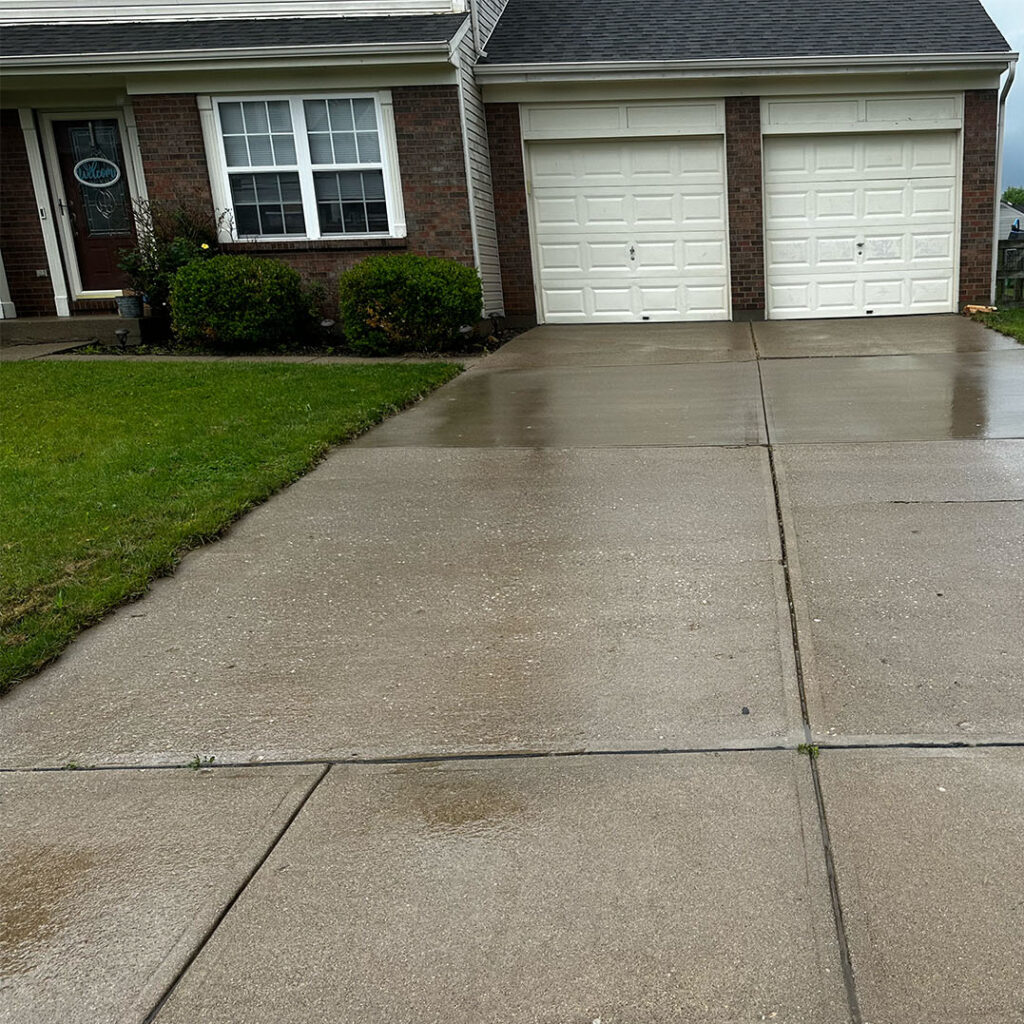
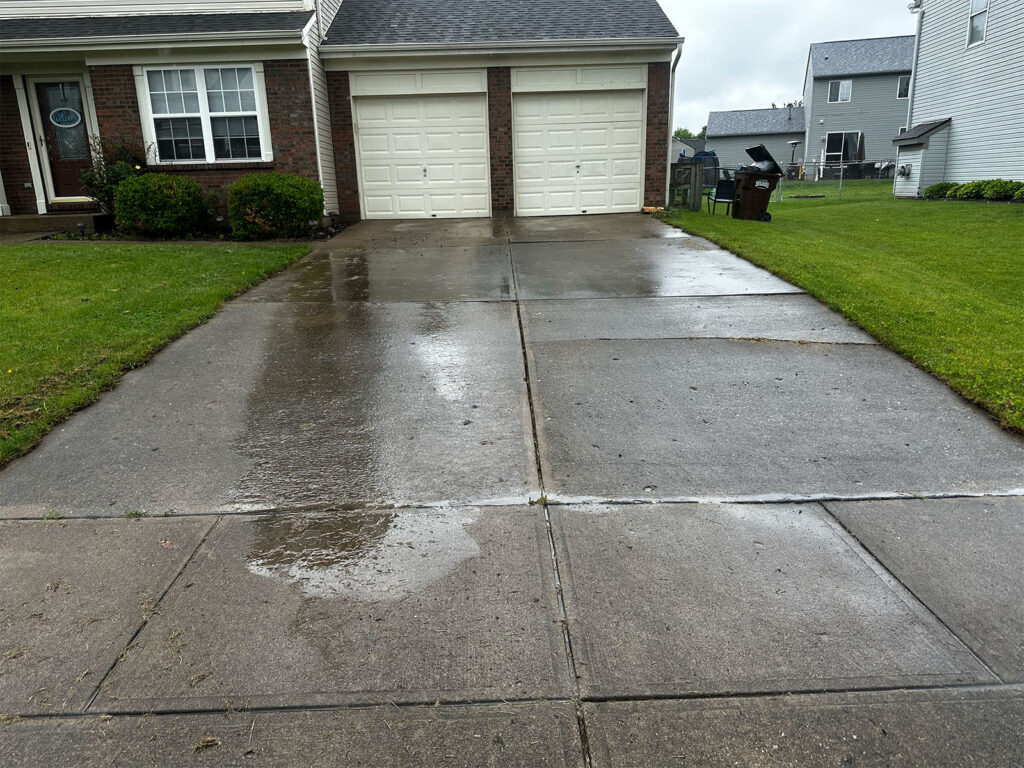
Improper washing techniques can worsen salt-related damage by driving water deeper into the surface. Professionals like Liberty Power Wash use calibrated water pressure and specialized detergents to remove salt safely. The team understands how local climate patterns influence drying times, ensuring every surface is properly cleaned and protected.
Homeowners who invest in professional concrete salt damage prevention not only protect their property but also maintain higher curb appeal and safety during icy months.
Protect Your Concrete Before Winter Takes Its Toll
Once salt begins breaking down your concrete, repairs can become costly fast. Scheduling a professional cleaning now helps remove harmful residue, restore surface integrity, and prepare for sealing before the next freeze.
Contact Liberty Power Wash today to schedule your winter exterior cleaning service. Our experts specialize in concrete salt damage prevention across Northern Kentucky, helping homeowners safeguard their driveways, sidewalks, and patios for years to come.